



BET
BET (bromodomain and extraterminal domain) proteins are epigenetic reader proteins that recognize acetylated lysine residues through tandem bromodomains and recruit transcriptional regulatory complexes to chromatin, thereby controlling transcriptional activation and elongation programs[1][2]. BET family members, including BRD2, BRD3, BRD4, and BRDT, regulate RNA polymerase II-dependent gene expression and are important mediators of enhancer-associated transcriptional networks[1][3]. Mechanistically, BRD4 functions as a central transcriptional co-regulator by binding acetylated histones and facilitating recruitment of positive transcription elongation factor b (P-TEFb), which promotes productive transcriptional elongation[2][4]. Dysregulation of BET-dependent transcription has been implicated in cancer, inflammatory disorders, immune-mediated diseases, and viral infection models, where BRD4 contributes to disease-associated gene expression programs[1][3][5]. Compared with related BET isoforms, BRD4 is the most extensively characterized member and is distinguished by its prominent role in enhancer-driven transcription and broad involvement in oncogenic signaling pathways[3][6]. For experimental applications, BET bromodomains are highly druggable targets, and small-molecule inhibitors such as JQ1 as well as domain-selective BD1- or BD2-targeting compounds have been widely used to interrogate transcriptional regulation and evaluate therapeutic mechanisms in disease models[4][7][8]. These pharmacological tools have established BET proteins as key regulators of chromatin-dependent gene expression and valuable targets for mechanistic and translational research[5][7].
References:
- [1]. Wang N, et al. The BET family in immunity and disease. Signal Transduct Target Ther. 2021 Jan 19;6(1):23. [Content Brief]
- [2]. Wernersson S, et al. Bromodomain Interactions with Acetylated Histone 4 Peptides in the BRD4 Tandem Domain: Effects on Domain Dynamics and Internal Flexibility. Biochemistry. 2022 Nov 1;61(21):2303-2318. [Content Brief]
- [3]. Shi J, et al. The mechanisms behind the therapeutic activity of BET bromodomain inhibition. Mol Cell. 2014 Jun 5;54(5):728-36. [Content Brief]
- [4]. Jung M, et al. Affinity map of bromodomain protein 4 (BRD4) interactions with the histone H4 tail and the small molecule inhibitor JQ1. J Biol Chem. 2014 Mar 28;289(13):9304-19. [Content Brief]
- [5]. Wu M, et al. A Review of the Bromodomain and Extraterminal Domain Epigenetic Reader Proteins: Function on Virus Infection and Cancer. Viruses. 2024 Jul 8;16(7):1096. [Content Brief]
- [6]. Wang ZQ, et al. Bromodomain and extraterminal (BET) proteins: biological functions, diseases and targeted therapy. Signal Transduct Target Ther. 2023;8:420.
- [7]. Alqahtani A, et al. Bromodomain and extra-terminal motif inhibitors: a review of preclinical and clinical advances in cancer therapy. Future Sci OA. 2019 Jan 29;5(3):FSO372. [Content Brief]
- [8]. Gilan O, et al. Selective targeting of BD1 and BD2 of the BET proteins in cancer and immunoinflammation. Science. 2020 Apr 24;368(6489):387-394. [Content Brief]
-
BET Related Products (22)
Related Products (22)

- 1
- 2
-
Ertabresib
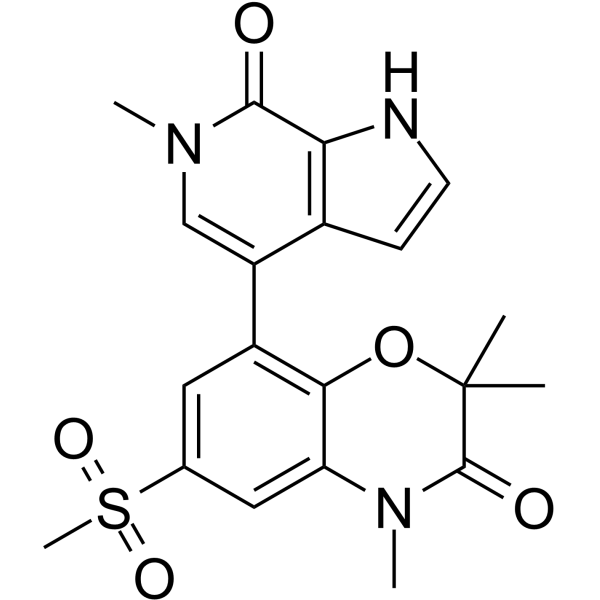 0 ImagesSynonyms: INCB-057643Ertabresib (INCB-057643) is an orally active BET protein inhibitor. Ertabresib blocks gene transcription by targeting the BET protein family, induces cell cycle arrest and apoptosis by downregulating proto-oncogenes such as c-MYC, and additionally reduces the expression of FOXP3 and PD-L1 to improve the immune microenvironment. It also exerts synergistic effects and overcomes drug resistance when combined with chemotherapy and XPO1 inhibitors. Ertabresib can be used in research related to high-grade B-cell lymphoma with MYC and BCL2 rearrangements, pancreatic cancer, pancreatitis, and metastatic castration-resistant prostate cancer.
-
HJB97
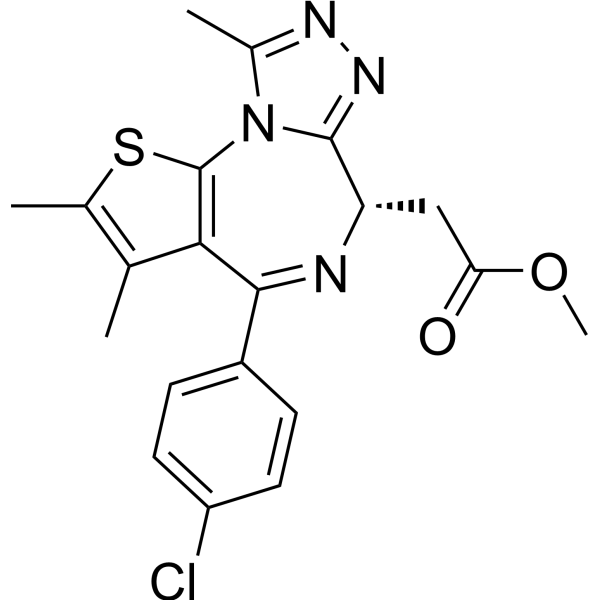
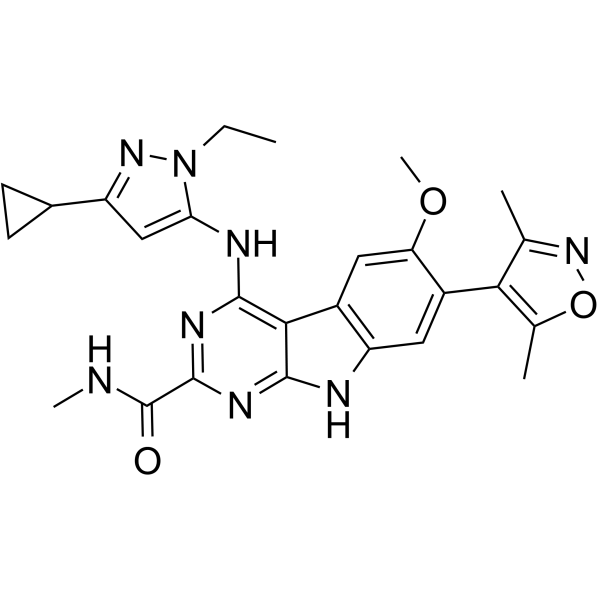 0 ImagesHJB97 is a high-affinity BET inhibitor with Ki values of 0.9 nM (BRD2 BD1), 0.27 nM (BRD2 BD2), 0.18 nM (BRD3 BD1), 0.21 nM (BRD3 BD2), 0.5 nM (BRD4 BD1), and 1.0 nM (BRD4 BD2). HJB97 can serve as a ligand for target protein (Ligands for Target Protein for PROTAC) for the development of PROTAC BET degraders with antitumor activity. HJB97 can be used for the synthesis of BETd-260 (HY-101519).
-
Zavabresib
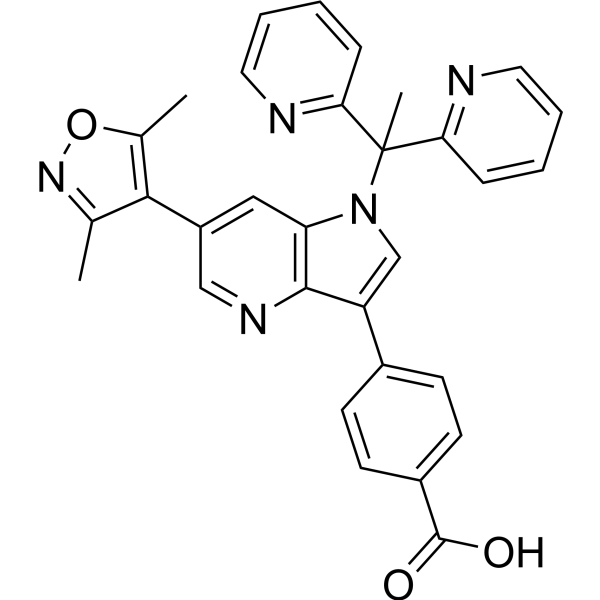 0 ImagesSynonyms: OPN-2853; PLX2853; BET-IN-16Zavabresib (OPN-2853; PLX2853; BET-IN-16) is an orally active inhibitor of the BET family of proteins. Zavabresib blocks bromodomain-mediated interactions, reduces BRD4 enrichment at the regulatory regions of transcription factors in T cells, exerts tumor growth inhibitory effects, and enhances the efficacy of immunotherapy. Zavabresib is applicable to research on chronic lymphocytic leukemia, castration-resistant prostate cancer, diffuse large B-cell lymphoma, colon adenocarcinoma, and myelofibrosis.
-
ZEN-3694
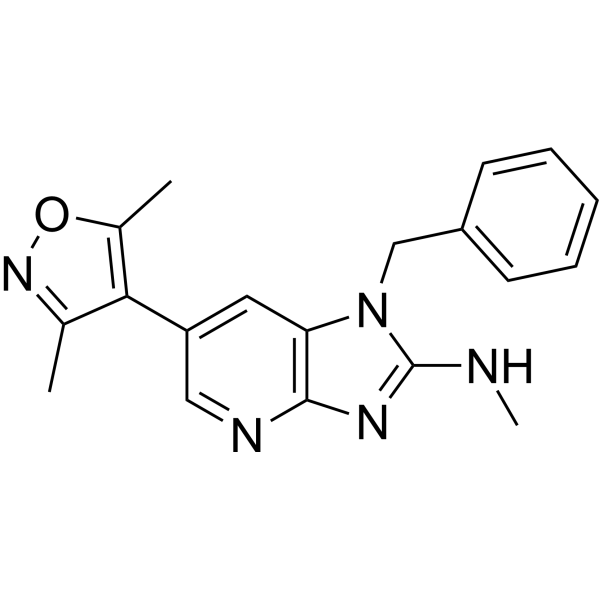 0 ImagesSynonyms: BET-IN-19ZEN-3694 (BET-IN-19) is an orally active BET inhibitor. ZEN-3694 regulates the function of BET proteins, thereby downregulating pathways involved in cell cycle regulation, ER signaling, AR signaling, AR splice variants, MYC, GR, cell growth, inflammation, and cellular immune responses. ZEN-3694 inhibits proliferation, induces apoptosis, reverses the upregulation of CDK6 and CCND1, restores cell cycle arrest, and inhibits CDK6 via miR-34a-5p. ZEN-3694 can be used in research related to HER2 breast cancer and metastatic castration-resistant prostate cancer.
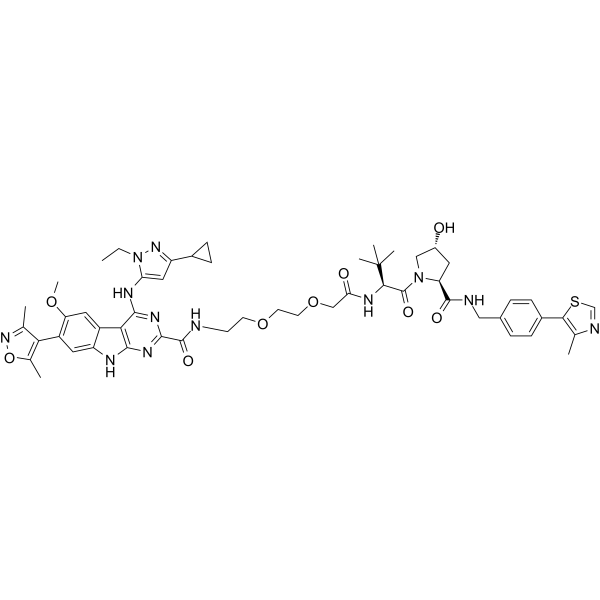
-
Desmethyl-QCA276
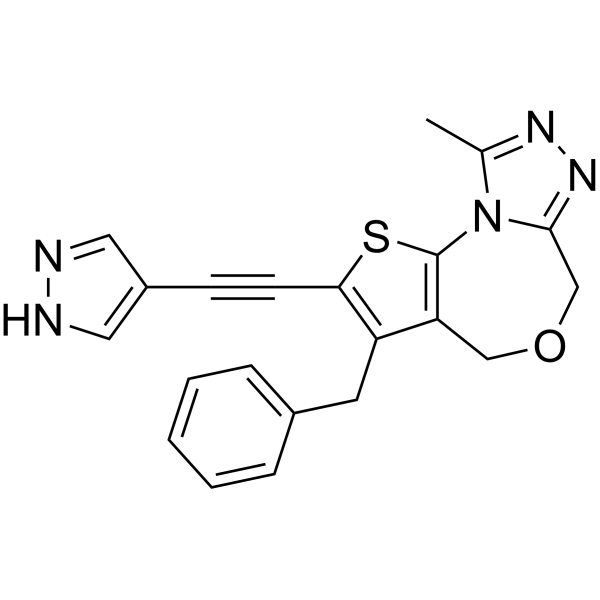 0 ImagesSynonyms: PROTAC BRD4-binding moiety 4Desmethyl-QCA276 (PROTAC BRD4-binding moiety 4), the QCA276-based moiety, binds to cereblon ligand via a linker to form PROTAC to degrade BET. QCA276 is a BET inhibitor with an IC50 of 10 nM, and with a Ki of 2.3 nM. Desmethyl-QCA276 is a click chemistry reagent, it contains an Alkyne group and can undergo copper-catalyzed azide-alkyne cycloaddition (CuAAc) with molecules containing Azide groups.
-
PCIP-1
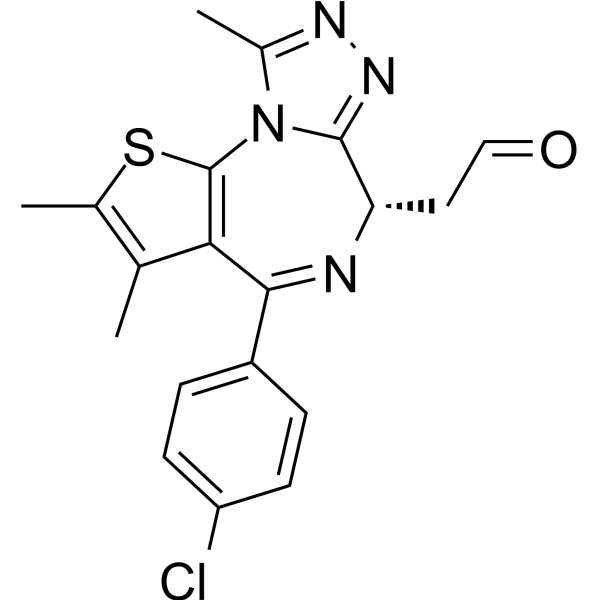
 0 ImagesCat. No.: HY-185459Purity: 98.80%PCIP-1 is a PARP2 inhibitor. PCIP-1 recruits BET proteins to PARP2 to inhibit DNA repair, acts via event-driven pharmacology, and does not inhibit PARP-catalyzed PARylation. PCIP-1 inhibits DNA repair, thereby inducing synthetic lethality in homologous recombination-deficient cancer cells and increasing the sensitivity of PARP1-knockout cells. PCIP-1 can be used in the research of homologous recombination-deficient cancers, T-cell acute lymphoblastic leukemia, and BRCA-mutant cancers.
-
(Rac)-EBET-590
 0 ImagesCat. No.: HY-161387ACAS No.: 3031540-02-7(Rac)-EBET-590 is the racemate of EBET-590 (HY-161387). (Rac)-EBET-590 is a BET ligand. (Rac)-EBET-590 can serve as a ligand for the target protein in the synthesis of PROTAC BET degraders, such as (Rac)-EBET-1055 (HY-161346A). (Rac)-EBET-590 is suitable for cancer research.
-
GSK785
 0 ImagesCat. No.: HY-181003CAS No.: 3125088-67-4
-
Mivebresib-alkyne
 0 ImagesCat. No.: HY-169980CAS No.: 2409674-37-7Mivebresib-alkyne (Compound 25), a Mivebresib (HY-100015) derivative, can be used for BRD4 targeted PROTAC synthesis through click reaction.

-
EBET-1593
 0 ImagesCat. No.: HY-177244CAS No.: 3031540-97-0EBET-1593 is a BET PROTAC degrader. EBET-1593 can promote the ubiquitination and degradation of BET. EBET-1593 is a lead payload. EBET-1593 can be used to synthesize ADCs, such as 84-EBET. 84-EBET has antitumor effects against pancreatic ductal adenocarcinoma.
-
KWZL-7f15
 0 ImagesCat. No.: HY-182036KWZL-7f15 is a dual CDK6/BRD4 inhibitor with an IC50 of 31.81 nM against human CDK6. KWZL-7f15 inhibits the CDK6-RB axis and BRD4-Myc axis, and also acts as a pan-BET inhibitor. KWZL-7f15 exhibits antiproliferative activity against triple-negative breast cancer cells. KWZL-7f15 shows antitumor activity in xenograft mouse models. KWZL-7f15 can be used in studies related to triple-negative breast cancer.
-
EBET-590
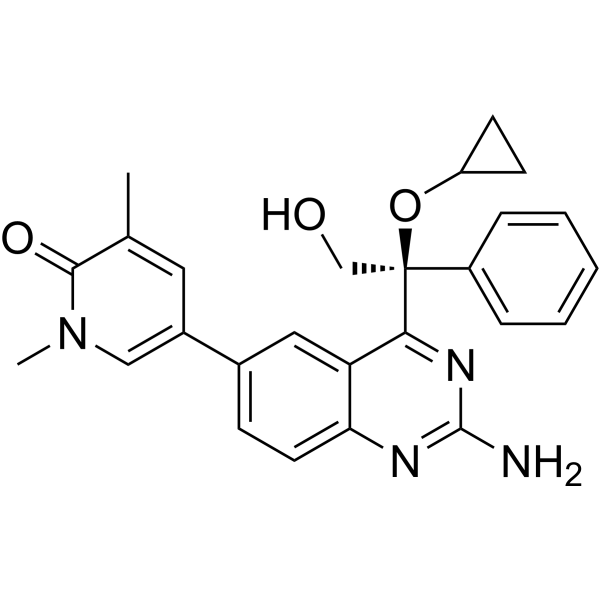 0 ImagesCat. No.: HY-161387CAS No.: 3031540-40-3

- 1
- 2



